
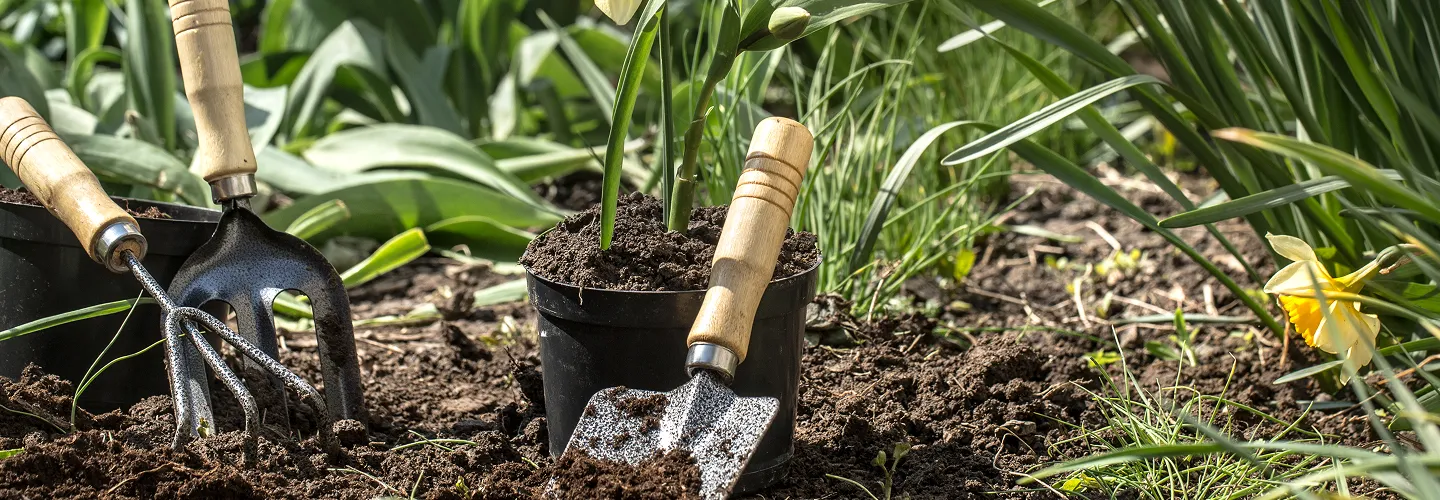
Lakeland Flower Planting Services
Choose our flower planting services for vibrant, expertly arranged blooms that enhance your curb appeal and thrive in Lakeland’s unique climate—bringing lasting beauty to your home or business.
Get a Free QuoteOur Lakeland Landscaping & Yard Care Services
When to Schedule Flower Planting in Lakeland, Florida – Seasonal Guide
Flower planting in Lakeland, Florida, is best scheduled with careful attention to our unique subtropical climate and local landscape features. The optimal planting windows typically fall in early spring (late February to early April) and again in early fall (late September to October), when temperatures are moderate and rainfall is more predictable. These periods allow new blooms to establish strong roots before the intense summer heat or occasional winter chills.
Lakeland’s neighborhoods, from the historic Lake Morton district to the shaded avenues near Hollis Garden, each present their own microclimates. Factors such as proximity to lakes, shade from mature oaks, and soil composition—ranging from sandy loam to clay—can all impact planting success. It’s also important to consider local frost dates, which usually occur in late January, and the risk of drought during late spring. For more information on local environmental guidelines, visit the Sudbury municipal resource.
Local Factors to Consider for Flower Planting in Lakeland
- Tree density and shade coverage, especially in neighborhoods like Beacon Hill
- Soil type and drainage, which can vary between North and South Lakeland
- Seasonal precipitation patterns and drought risk
- Proximity to lakes or wetlands, affecting humidity and microclimate
- Municipal restrictions or watering schedules
- Terrain and elevation, particularly in areas near Lake Hollingsworth
Benefits of Flower Planting in Lakeland
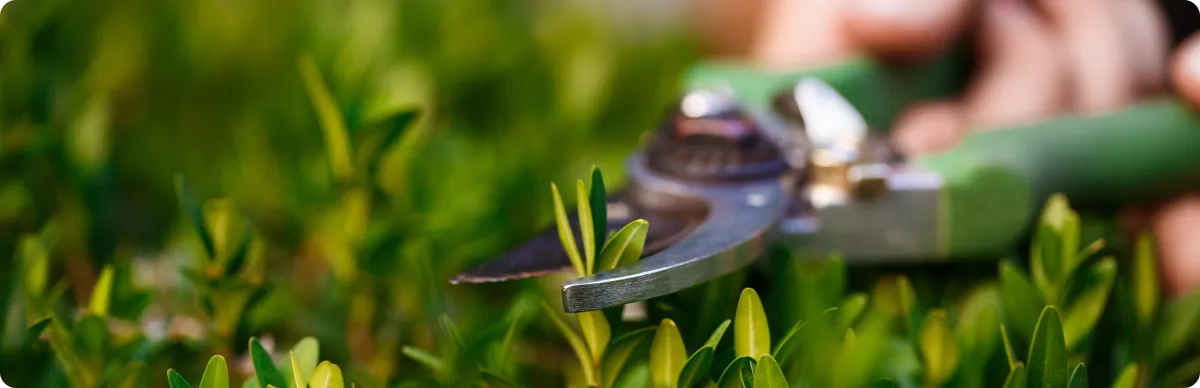
Expert Local Knowledge
Customized Landscape Designs
Seasonal Plant Selection
Professional Installation Services
Enhanced Curb Appeal
Sustainable Landscaping Solutions
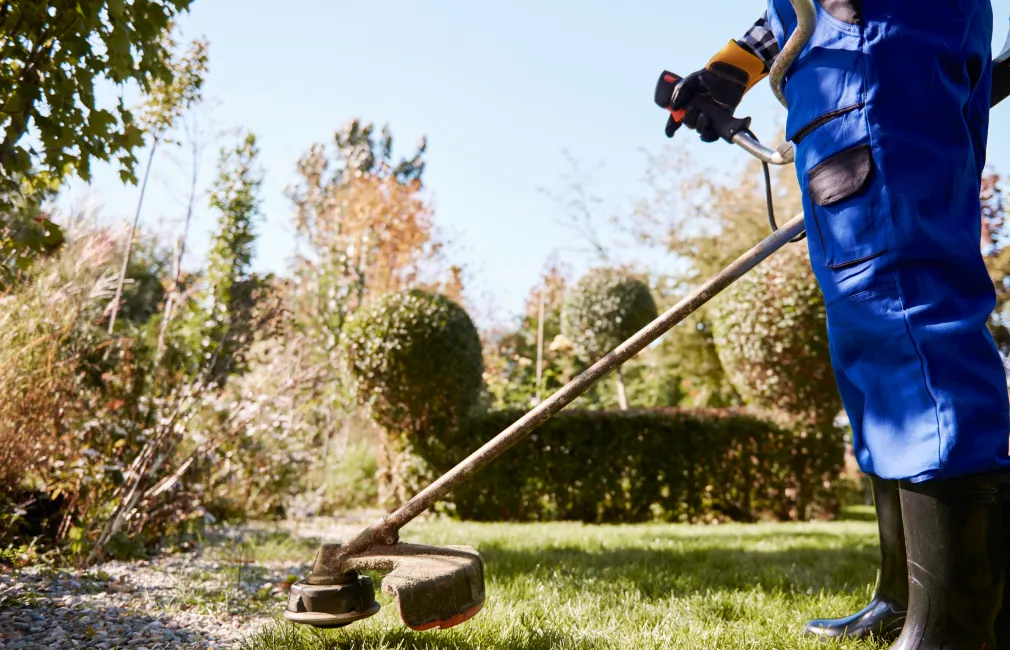
Lakeland Flower Planting Types

Annual Flower Beds
Seasonal blooms that provide vibrant color throughout the year.
-
Perennial Gardens
Long-lasting flowers that return each season with minimal maintenance.
-
Native Plant Landscapes
Utilizing local species for sustainable and eco-friendly gardens.
-
Pollinator-Friendly Plantings
Flower beds designed to attract bees, butterflies, and other pollinators.
-
Shade Garden Plantings
Flower selections ideal for low-light or shaded areas.
-
Container Flower Arrangements
Versatile flower displays in pots and planters for patios and entryways.
-
Drought-Tolerant Flower Beds
Low-water plantings perfect for sustainable landscaping.
Our Flower Planting Process
Site Evaluation
Soil Preparation
Plant Selection
Careful Planting
Watering and Mulching
Why Choose Lakeland Landscape Services
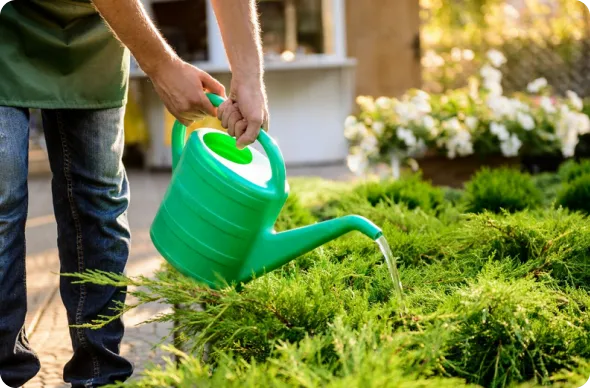
-
Lakeland Homeowners Trust Us
-
Expert Lawn Maintenance
-
Reliable Scheduling
-
Competitive Pricing
-
Professional Team
-
Satisfaction Guarantee
-
Personalized Service
Coordinating Flower Planting with Lakeland’s Parks and Recreation Department
Flower planting in Lakeland’s public-facing areas, medians, and parks is coordinated through the city’s Parks, Recreation & Cultural Arts Department. Residents and property managers planning installations in public spaces or along city-maintained corridors must ensure their projects align with municipal landscape standards and do not interfere with sightlines, utilities, or stormwater features. For private properties, coordination is not required unless the planting impacts public rights-of-way or city-maintained infrastructure. When planning a community or HOA-wide planting, it is advisable to consult with the department to verify current guidelines and avoid conflicts with city maintenance schedules or irrigation systems. Key steps include:
- Reviewing city landscape standards for plant selection and spacing
- Confirming that no plantings obstruct sidewalks, signage, or drainage swales
- Coordinating with the department for any planting in medians or public parks
Lakeland Parks, Recreation & Cultural Arts
228 S. Massachusetts Ave, Lakeland, FL 33801
Phone: 863.834.2280
Official Website: Lakeland Parks, Recreation & Cultural Arts
How Central Florida’s Climate and Soils Shape Flower Planting in Lakeland
Lakeland is situated in the Central Florida / Inland Peninsula region, which brings unique environmental factors to flower planting. The area experiences high summer heat and humidity, with a pronounced wet season from late spring through early fall. Soils are typically sandy or fill-based, leading to rapid drainage and increased nutrient leaching, which can challenge root establishment and long-term plant health. Additional local considerations include:
- High water tables in low-lying areas, increasing the risk of root rot for poorly adapted species
- Intense rainfall events that can cause runoff into nearby lakes, ponds, and storm drains
- Occasional cold snaps in winter, so selecting flowers suited to USDA Hardiness Zone 9b is essential (USDA Plant Hardiness Zone Map)
These conditions require careful plant selection, soil amendment, and irrigation planning to ensure sustainable, attractive flower beds.
Regulatory Requirements and Environmental Compliance for Flower Planting in Lakeland
While most residential flower planting does not require a permit, projects that alter drainage patterns, impact public rights-of-way, or are part of new development may be subject to review by the Community & Economic Development Department. It is important to avoid planting in swales, over utility easements, or in a manner that could obstruct stormwater flow. For larger projects or those near water bodies, compliance with Florida DEP’s NPDES Stormwater Program is necessary to prevent nutrient runoff and protect water quality. Additionally, the Florida-Friendly Fertilizer Use Model Ordinance may apply to fertilizer use in urban landscapes.
Lakeland Community & Economic Development
228 S. Massachusetts Ave, Lakeland, FL 33801
Phone: 863.834.6011
Official Website: Lakeland Community & Economic Development
Professional Flower Planting Methods and Seasonal Timing in Lakeland’s Environment
Successful flower planting in Lakeland depends on adapting methods to the region’s climate and soil profile. Professional standards emphasize:
- Planting annuals and perennials in late winter or early spring to maximize establishment before peak summer heat
- Amending sandy soils with organic matter to improve moisture retention and nutrient availability
- Using mulch to moderate soil temperature, suppress weeds, and reduce runoff
- Installing drip or micro-irrigation systems for efficient water use, as recommended by EPA WaterSense Outdoors
- Selecting species proven for heat, humidity, and periodic drought, such as pentas, salvia, and marigold
Routine maintenance should include deadheading, periodic re-mulching, and monitoring for fungal issues during the wet season.
What Neighborhoods Do We Serve Throughout Lakeland, FL?
- Dixieland: Historic homes with mature shade trees and variable lot sizes require careful flower selection for both sun and shade exposure.
- Lake Hollingsworth: Properties along the lake benefit from well-drained soils but must consider runoff into the water body and frequent irrigation needs.
- Grasslands: Gated community with HOA standards, newer fill soils, and irrigation systems that support vibrant seasonal beds.
- Cleveland Heights: Established neighborhood with larger lots, mature landscaping, and both sun and partial shade conditions.
- Southwest Lakeland: Subdivisions with newer construction, fill-based soils, and stormwater retention ponds influencing drainage patterns.
- Downtown Lakeland: Urban core with smaller lots, limited green space, and the need for compact, heat-tolerant plantings.
- Beacon Hill: Older lots with established trees, variable drainage, and opportunities for pollinator-friendly flower beds.