
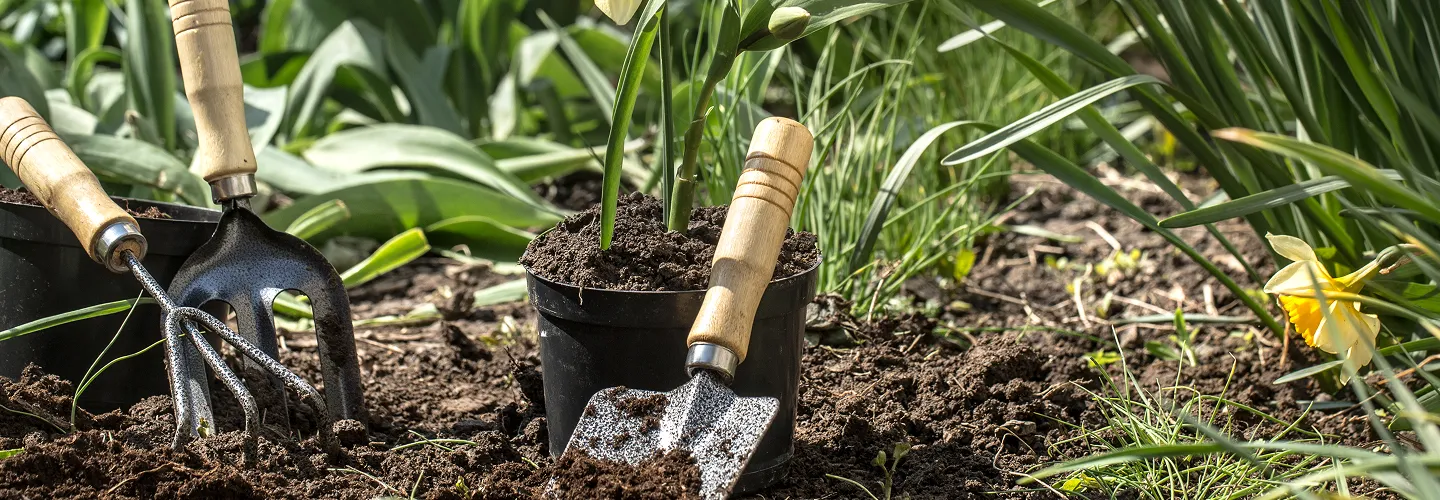
Lakeland Hydroseeding Services
Choose our hydroseeding experts for a greener, healthier lawn—enjoy rapid growth, erosion control, and cost-effective results tailored to your property.
Get a Free QuoteOur Lakeland Landscaping & Yard Care Services
When to Schedule Hydroseeding in Lakeland, Florida – Seasonal Guide
Hydroseeding in Lakeland, Florida, is most effective when timed with the region’s unique subtropical climate. The ideal window typically falls between late February and early May, or again from late September through November, when temperatures are moderate and rainfall is more predictable. These periods help ensure optimal seed germination and establishment before the intense summer heat or potential winter chills. Neighborhoods near Lake Hollingsworth and the Cleveland Heights area, for example, often benefit from spring hydroseeding, as the soil retains moisture without the risk of frost, and the humidity supports rapid growth.
Local environmental factors play a significant role in determining the best time for hydroseeding. Lakeland’s sandy soils, common in areas like Dixieland and Grasslands, require careful moisture management, while shaded lots near Peterson Park may need a different seed blend and timing. It’s also important to consider municipal watering restrictions, which can vary by neighborhood. For more information on local guidelines, visit the City of Lakeland’s official resource.
Local Factors to Consider for Hydroseeding in Lakeland
- Tree density and shade coverage, especially in older neighborhoods
- Soil type (sandy vs. loamy) and drainage characteristics
- Seasonal precipitation patterns and drought risk
- Proximity to lakes or wetlands, which can affect humidity and soil moisture
- Municipal watering schedules and restrictions
- Terrain slope and erosion potential
Benefits of Hydroseeding in Lakeland
Fast Lawn Establishment
Cost-Effective Landscaping Solution
Erosion Control
Uniform Grass Coverage
Environmentally Friendly Process
Custom Seed Blends Available
Lakeland Hydroseeding Types

Residential Lawn Hydroseeding
-
Commercial Property Hydroseeding
-
Erosion Control Hydroseeding
-
Wildflower and Native Grass Hydroseeding
-
Sports Field Hydroseeding
-
Slope Stabilization Hydroseeding
-
Golf Course Hydroseeding
Our Hydroseeding Process
Site Preparation
Soil Conditioning
Hydroseed Application
Watering and Maintenance
Growth Monitoring
Why Choose Lakeland Landscape Services
-
Lakeland Homeowners Trust Us
-
Expert Lawn Maintenance
-
Reliable Scheduling
-
Competitive Pricing
-
Professional Team
-
Satisfaction Guarantee
-
Personalized Service
Coordinating Hydroseeding Projects with Lakeland’s Engineering and Stormwater Divisions
Hydroseeding in Lakeland requires careful coordination with municipal departments to ensure that erosion control and slope stabilization efforts align with city infrastructure and stormwater management priorities. The Lakeland Public Works Engineering Division provides technical guidance on site grading, runoff routing, and the protection of storm drains, swales, and canal edges during hydroseeding activities. For projects near public rights-of-way or drainage features, residents and property managers should verify if review or notification is required before beginning work. Key steps include:
- Reviewing site plans for proximity to stormwater inlets, lakes, or canals
- Ensuring hydroseeding materials do not enter storm drains or water bodies
- Coordinating with city engineering staff for large or sloped sites
Lakeland Public Works Engineering
Lakeland, FL
Official Website: Lakeland Public Works Engineering(https://www.lakelandgov.net/departments/public-works/engineering/)
How Central Florida’s Climate and Soils Shape Hydroseeding in Lakeland
Lakeland is situated in Central Florida’s inland peninsula, characterized by a humid subtropical climate, pronounced wet and dry seasons, and predominantly sandy or mixed urban soils. These conditions directly affect hydroseeding outcomes:
- Summer heat and humidity accelerate seed germination but also increase fungal pressure, requiring careful monitoring of moisture and disease risk
- Sandy soils, common in Lakeland subdivisions, drain quickly and may require soil amendments or tackifiers to prevent seed washout during heavy rains
- The city’s high water table and proximity to lakes and retention ponds mean that runoff from hydroseeding must be managed to avoid nutrient leaching and protect water quality Hydroseeding schedules should be planned around the wet season, typically from June through September, to minimize erosion and maximize establishment. For more on local soils, consult the USDA Web Soil Survey and for turf selection, refer to UF/IFAS Gardening Solutions - Lawns.
Regulatory Requirements and Environmental Compliance for Hydroseeding in Lakeland
Hydroseeding projects in Lakeland may be subject to review by the city’s Community & Economic Development Department, especially for new developments, large-scale renovations, or sites adjacent to stormwater infrastructure. Compliance with the Florida DEP NPDES Stormwater Program is essential to prevent sediment and seed-laden runoff from entering municipal stormwater systems. Additional regulatory considerations include:
- Confirming if a permit or erosion control plan is required for the project scope
- Adhering to local codes regarding work near swales, canals, or retention areas
- Following state and federal guidelines under the Clean Water Act for water quality protection
Lakeland Community & Economic Development
Lakeland, FL
Official Website: Lakeland Community & Economic Development(https://www.lakelandgov.net/departments/community-economic-development/)
Professional Hydroseeding Methods and Timing for Lakeland’s Site Conditions
Effective hydroseeding in Lakeland relies on adapting methods to local climate, soil, and drainage realities. Professional standards include:
- Timing hydroseeding for late spring or early fall to avoid peak summer heat and maximize rainfall for establishment
- Using seed blends suited to Central Florida, such as bahiagrass or bermudagrass, which tolerate sandy soils and periodic drought
- Applying mulch and tackifiers to stabilize slopes and prevent seed movement during heavy rain events
- Monitoring irrigation to maintain consistent moisture without overwatering, especially on fill-based or compacted urban soils
- Keeping hydroseeding materials, sediment, and fertilizer granules out of storm drains, swales, and canal edges to protect water quality For irrigation guidance, see EPA WaterSense Outdoors and for turf establishment, consult UF/IFAS Gardening Solutions - Lawn Maintenance and Care.
Lakeland Water Utilities
Lakeland, FL
Official Website: Lakeland Water Utilities(https://www.lakelandgov.net/departments/water-utilities/)
What Neighborhoods Do We Serve Throughout Lakeland, FL?
- Dixieland: Historic lots with mature trees and variable shade require careful hydroseeding to ensure turf establishment under canopy cover.
- Lake Hollingsworth: Properties adjacent to the lake demand strict runoff control to protect water quality and manage high water tables.
- Cleveland Heights: Larger lots and rolling terrain benefit from hydroseeding for erosion control on slopes and fill areas.
- Southwest Lakeland: Newer subdivisions with sandy fill soils require soil amendments and precise irrigation during hydroseeding.
- Downtown Lakeland: Urban core sites often have compacted soils and limited green space, making hydroseeding valuable for rapid turf establishment.
- Beacon Hill: Established neighborhoods with mixed drainage patterns need hydroseeding methods that address both sun and shade exposure.
- Edgewood: Proximity to canals and retention ponds necessitates careful material placement and erosion control during hydroseeding.